The Rise and Impact of Public Wellbeing Gardens
In the heart of our increasingly crowded and concrete-heavy urban landscapes, a quiet revolution is taking root. As city planners, healthcare professionals, and communities look for sustainable ways to combat the rising tide of stress, anxiety, and sedentary lifestyles, the concept of the “Public Wellbeing Garden” has emerged as a vital solution. Unlike a traditional park, which might focus on aesthetics or active sports, a wellbeing garden is a space intentionally designed to foster physical health, mental clarity, and social cohesion through a deep, sensory connection with nature.
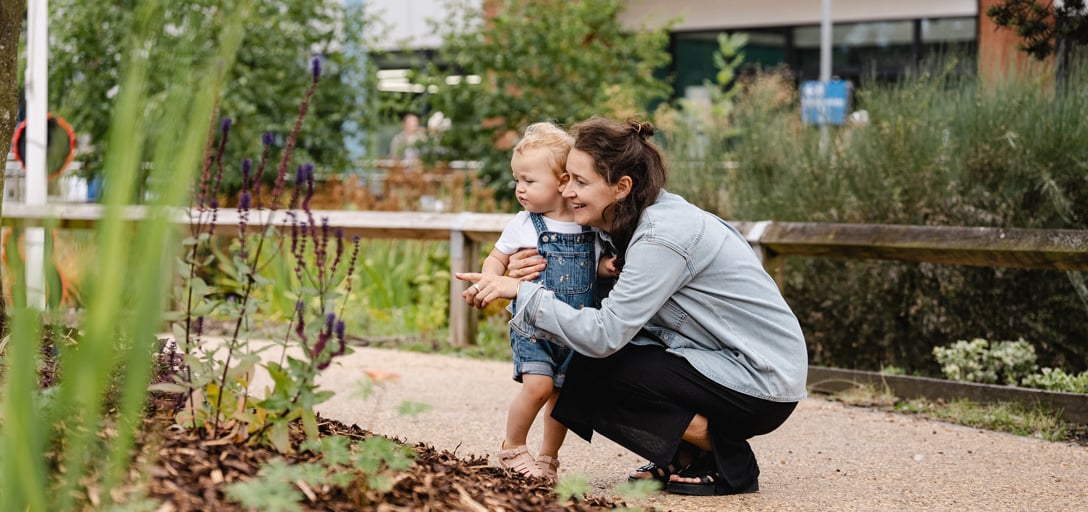
These “living sanctuaries” serve as essential infrastructure for the modern age. They are not merely ornamental additions to a city but are functional tools for public health, acting as a bridge between the natural world and the human need for tranquility.
The Science of Green Healing
The concept of a wellbeing garden is backed by a wealth of environmental psychology. Research consistently shows that even brief exposure to green spaces can significantly lower cortisol levels—the body’s primary stress hormone. This phenomenon, often referred to as “Biophilia,” suggests that humans possess an innate tendency to seek connections with nature and other forms of life.
Public wellbeing gardens leverage this connection through “Restorative Design.” By incorporating elements such as the sound of trickling water, the scent of aromatic herbs like lavender and rosemary, and a diverse palette of green textures, these spaces engage all five senses. This multisensory engagement helps to shift the nervous system from a state of “fight or flight” to “rest and digest.” For urban dwellers who spend hours staring at screens and navigating traffic, these gardens provide a necessary cognitive break, restoring the ability to focus and lowering the risk of mental fatigue.
Design Principles for Wellness
A successful public wellbeing garden is far more than a collection of plants. It is a carefully orchestrated environment that prioritizes accessibility and psychological comfort. Key design principles often include:
- Enclosure and Safety: While these gardens are public, they often utilize hedges, trellises, or landforms to create a sense of being “held” or protected from the surrounding city noise. This creates a psychological boundary that signals to the brain that it is safe to relax.
- Biodiversity and Seasonal Interest: To remain effective year-round, these gardens feature a variety of species. Deciduous trees that change color, winter-blooming flowers, and native grasses ensure that the garden feels alive and evolving, mirroring the natural cycles of life.
- Accessibility for All: Inclusion is at the heart of public wellbeing. Raised planter beds allow those in wheelchairs or the elderly with mobility issues to touch and smell the plants without straining. Pathways are designed to be wide, smooth, and easy to navigate.
- Active and Passive Zones: A well-designed garden offers spaces for both quiet contemplation (solitary benches) and gentle physical activity (walking paths or open areas for tai chi and yoga).
Social Connectivity and Community Health
Beyond individual health, public wellbeing gardens are powerful engines for social sustainability. In many modern cities, loneliness has become a silent epidemic. These gardens act as “neutral ground” where people from different socioeconomic backgrounds, ages, and cultures can interact.
Many wellbeing gardens incorporate community-led elements, such as edible sections where neighbors can grow vegetables together or “sensory trails” designed for children with neurodivergent needs. When community members participate in the care and maintenance of a garden, it fosters a sense of “stewardship” and pride. This social engagement is a critical component of wellness; knowing one’s neighbors and feeling part of a local ecosystem can significantly reduce feelings of isolation and improve overall life satisfaction.
Environmental Benefits and Urban Cooling
While the primary focus is human health, public wellbeing gardens are also ecological powerhouses. Urban areas often suffer from the “heat island effect,” where concrete and asphalt absorb and radiate heat, making cities significantly hotter than surrounding rural areas. Through a process called evapotranspiration, plants in a wellbeing garden act as natural air conditioners, cooling the local microclimate.
Furthermore, these gardens improve air quality by filtering pollutants and producing oxygen. They also manage rainwater runoff, reducing the pressure on city drainage systems during heavy storms. By supporting local pollinators like bees and butterflies, a wellbeing garden contributes to the broader health of the regional ecosystem, proving that what is good for the human spirit is also good for the planet.
Integration into Modern Healthcare
We are beginning to see a shift where healthcare providers are “prescribing” time in these gardens as a clinical intervention. In some parts of the world, hospitals are building wellbeing gardens on their own grounds, recognizing that patients with a view of nature or access to a garden recover faster from surgery and require less pain medication.
Integrating these spaces into public housing projects, school campuses, and business districts is no longer seen as a “luxury” but as a necessity for a resilient society. As we look toward the future of urban development, the presence of a public wellbeing garden may become as standard as a library or a post office—a fundamental right for every citizen to have access to the healing power of the earth.
Conclusion
The Public Wellbeing Garden represents a harmonious intersection of architecture, botany, and psychology. In a world that often feels increasingly digital and detached, these gardens ground us. They remind us of the slow, steady pace of nature and provide a space where the soul can catch up with the body.
As we continue to build the cities of tomorrow, we must prioritize these green havens. By investing in public wellbeing gardens, we are not just planting trees; we are planting the seeds of a healthier, more compassionate, and more resilient society. These spaces prove that in the middle of our busiest cities, peace is not just possible—it is essential.