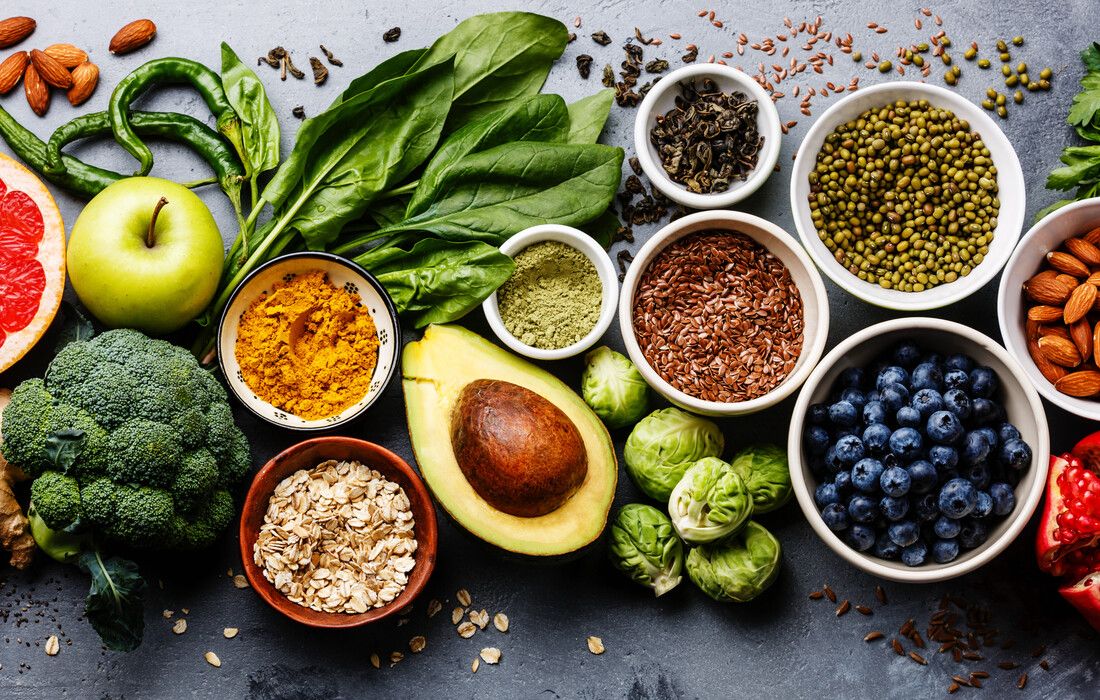
Back to Basics: The Transformative Power of Natural Meals
In an era defined by convenience, rapid industrialization, and the rise of ultra-processed food, the concept of a “natural meal” has transitioned from a standard way of living to a conscious health choice. For decades, the modern diet has shifted toward ingredients born in laboratories rather than soil, leading to a global rise in metabolic concerns and a general disconnection from the source of our vitality. Embracing natural meals is not a restrictive diet; it is a return to a harmonious relationship with the environment and our own biology.

A natural meal is defined by its proximity to its original state. It consists of whole, unrefined, and minimally processed ingredients—foods that our ancestors would recognize. By prioritizing these items, we provide our bodies with the complex synergy of nutrients that nature intended, free from synthetic additives and hidden chemicals.
The Nutritional Superiority of Whole Foods
The primary argument for natural meals lies in their nutrient density. When food is processed, it often undergoes “refinement,” a process that strips away essential fibers, vitamins, and minerals to extend shelf life or improve texture. For example, a whole grain contains the bran and germ, which are rich in B vitamins and antioxidants. In contrast, refined white flour removes these components, leaving behind mostly starch.
Natural meals are packed with phytonutrients—compounds produced by plants that have powerful anti-inflammatory and antioxidant effects. When you consume a diverse array of colorful vegetables, fruits, nuts, and seeds, you are ingesting a complex “pharmacy” of natural protection. These nutrients work together in ways that a synthetic multivitamin simply cannot replicate. The fiber found in natural plant foods also plays a critical role in gut health, acting as a prebiotic that feeds the beneficial bacteria in our microbiome, which in turn strengthens our immune system and improves mental clarity.
Healing the Gut and Boosting Immunity
The human digestive system evolved over millions of years to process complex fibers and natural fats. Modern processed foods, often loaded with emulsifiers, artificial sweeteners, and preservatives, can disrupt the delicate balance of the gut lining. This disruption is frequently linked to systemic inflammation and a weakened immune response.
By switching to natural meals, you allow your digestive system to heal. Fermented natural foods like raw yogurt, sauerkraut, or tempeh introduce probiotics, while fibrous vegetables ensure smooth transit and detoxification. Furthermore, natural meals are generally lower in added sugars and trans fats, which are known to trigger inflammatory pathways. A body fueled by clean, natural ingredients is more resilient, recovering faster from physical stress and better equipped to ward off seasonal illnesses.
Sustainable Energy and Blood Sugar Regulation
One of the most immediate benefits of consuming natural meals is the stabilization of energy levels. Processed foods are typically high in simple carbohydrates and hidden sugars, which cause a rapid spike in blood glucose followed by a dramatic “crash.” This cycle leads to irritability, brain fog, and persistent cravings.
Natural meals, rich in complex carbohydrates and healthy fats, provide a slow and steady release of glucose into the bloodstream. The presence of natural fiber slows down the absorption of sugar, ensuring that your brain and muscles receive a consistent supply of fuel. Whether it is the healthy fats from an avocado, the lean protein from pasture-raised eggs, or the slow-burning energy from sweet potatoes, natural foods prevent the “afternoon slump” and promote sustained focus throughout the day.
The Environmental and Ethical Connection
Choosing natural meals is an act of environmental stewardship. Highly processed foods require immense amounts of energy for manufacturing, packaging, and long-distance transportation. They are often linked to monoculture farming practices that deplete the soil and rely heavily on chemical pesticides.
Conversely, a commitment to natural meals often leads consumers toward local farmers’ markets and organic produce. By supporting local agriculture, you reduce your carbon footprint and help preserve biodiversity. Eating seasonally—a core tenet of natural living—ensures that you are consuming food at its nutritional peak while respecting the natural cycles of the earth. There is a profound ethical satisfaction in knowing that your plate supports a food system that is restorative rather than extractive.
Simple Strategies for Transitioning to Natural Eating
Transitioning to natural meals does not require a culinary degree or an unlimited budget. It begins with small, intentional shifts in the kitchen:
- Shop the Perimeter: In most grocery stores, the natural, whole foods (produce, meat, and dairy) are located around the edges, while the processed, boxed goods occupy the center aisles.
- Read Labels Like a Detective: If a product has more than five ingredients or contains names you cannot pronounce, it likely isn’t “natural.”
- Master the Basics: Learn to roast vegetables, cook whole grains, and sear proteins. Simple seasoning with sea salt, black pepper, and fresh herbs can make natural ingredients taste better than any processed meal.
- Prioritize Hydration: Replace sugary sodas and “fruit-flavored” drinks with pure water, herbal teas, or water infused with real fruit slices.
Conclusion
The movement toward natural meals is more than a fleeting health trend; it is a vital reclamation of our well-being. In a world that constantly pushes us toward the artificial and the immediate, choosing whole, earth-grown ingredients is a radical act of self-care. It is a philosophy that honors the complexity of our bodies and the bounty of the planet.
By making the shift to natural meals, we unlock a level of vitality that influences every aspect of our lives—from our physical strength and cognitive performance to our emotional stability. We move away from the confusion of “diet culture” and toward the simple, enduring wisdom of nature. Ultimately, the best way to care for ourselves is to trust the foods that have sustained humanity for millennia. When we eat naturally, we live fully.